
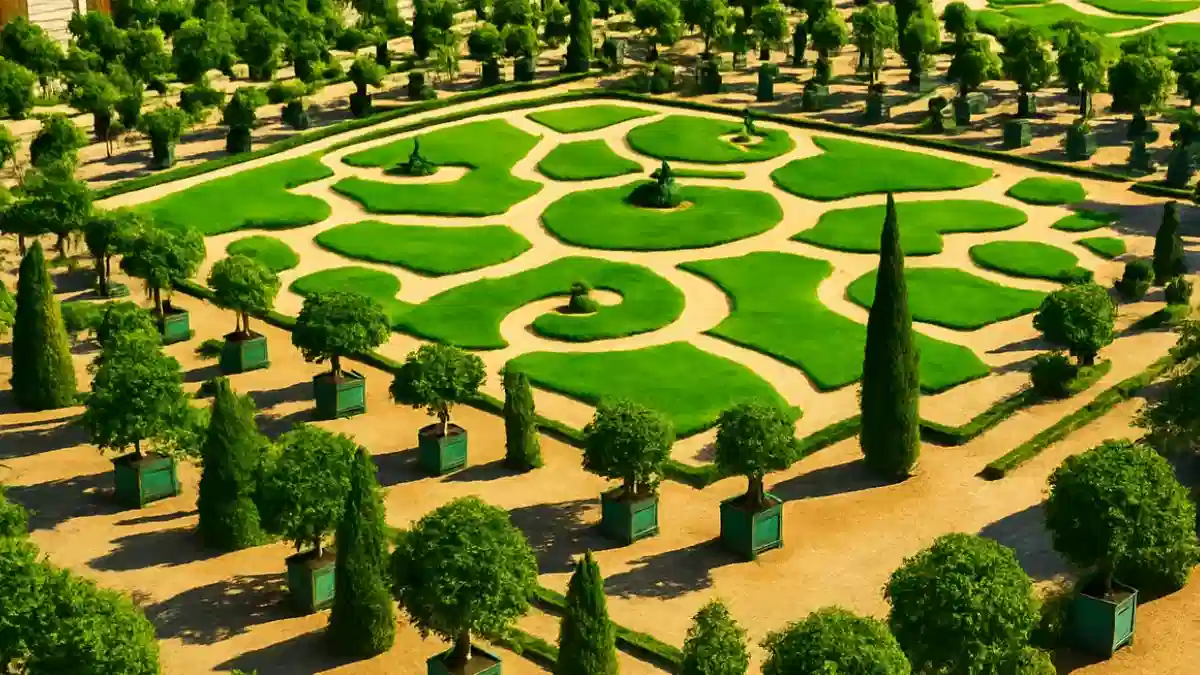
The clock struck exactly 8:14 am. What started as a sharp, biting Parisian morning breeze was still chilling my cheeks as the double-decker yellow line RER C train swayed with a gentle, hypnotic rhythm. We were cutting through the quiet, sleepy suburbs, making our way towards one of the most magnificent architectural fever dreams in human history.
Have you ever noticed how anticipation has a distinct smell? Inside that carriage, the air was thick with it. It was a potent, unmistakable cocktail: the bitter tang of hurriedly swallowed espresso, the sharp metallic ozone sparking off the railway tracks, and that sweet, heavy perfume worn by tourists from every corner of the globe. You could feel the electric anxiety crackling in the air.
I glanced out the window.
There it was. The crisp blue and white sign silently announcing our arrival: Gare de Versailles Château Rive Gauche.
Stepping off the train, the distinct, fresh air of the Île-de-France region hit my lungs. Instantly, a massive wave of people began funneling towards the station exit, marching shoulder-to-shoulder in an almost trancelike state.
This is precisely where the game begins.
Because the overwhelming majority of the people in that crowd are about to make primary, easily avoidable logistical errors. Errors that will bleed them of precious daylight hours and siphon away dozens of hard-earned euros.
But not you.
Let me be brutally honest for a moment. Visiting the Palace of Versailles has never been a casual Sunday stroll through a park. It is a tactical expedition. It is a glorious, intensely rewarding journey for absolutely every single one of your senses. Yet, it demands a level of street smarts and strategic planning that standard guidebooks completely fail to mention.
When you finally turn the corner of that vast avenue and come face to face with those colossal golden gates—gates that blaze with an almost blinding, ferocious intensity against the crisp blue sky—every single minute of your preparation instantly pays off.
It is an absolute visual victory.
You are staring at the ultimate triumph of human willpower over nature and sobriety. So, get ready. We are going to hack Europe’s most extravagant monument together, and I promise you will savour every single second of it.
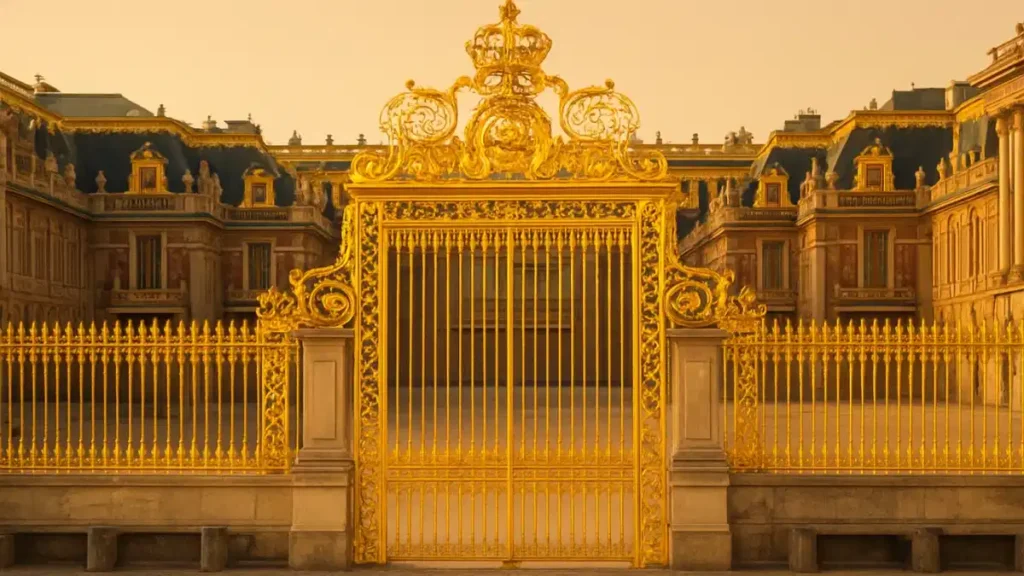
The New Reality: What Changed at the Palace of Versailles Post-2024?
If the travel itinerary you printed or saved on your phone was written before 2024, do yourself a massive favour and throw it in the bin right now. The entire landscape has been completely rewritten.
Following the global updates and the monumental infrastructure legacy left behind by the recent equestrian events that took over the gardens, Versailles today operates as an entirely different ecosystem.
The golden, unbreakable rule for modern travellers?
The time-slotted ticket is your new religion.
That romantic 1990s fantasy of just “turning up at the gate to see what happens” is dead. Attempt it, and you will be swiftly turned away by a highly polite, yet incredibly firm, security guard with a sympathetic smile. Tickets for the Palace of Versailles sell out weeks in advance, especially during the luminous high season stretching from May to September.
The brilliant upside to all this? The digital turnstiles have been vastly upgraded. The fluidity of the entrance queues has improved to a degree that almost defies belief. Yes, their tolerance for lateness is absolutely zero (if you arrive 30 minutes past your booked slot, the magic evaporates instantly). However, this strictness—operating on French soil—has delivered a phenomenal benefit: internal overcrowding. While it remains a popular destination, the air inside is finally breathable.
You can now genuinely admire the intricate marquetry of a royal cabinet without having your face crushed against a priceless 17th-century silk tapestry.
The Sun King’s Inflation and the Ticket Game
Let’s talk real numbers, because clarity brings total peace of mind. The “Passport” ticket. This is the golden Willy Wonka ticket that grants you access to absolutely everything: the main Palace, the Trianon Estate, and entry to the Musical Gardens.
Naturally, prices have seen adjustments.
Expect to part with something in the region of 32 to 35 euros on the days when the dancing fountains are performing.
Is it worth it? Absolutely. Every single penny. Standing there, watching those monumental water features roar to life to the baroque strings of Lully and Rameau, exactly as the French royal court witnessed centuries ago, will send shivers down your spine. It is pure theatrical magic.
Just ensure you book online with a clear conscience and your credit card ready. For the purest, untouched information regarding schedules and official purchasing, avoid third-party resellers entirely. Trust only the [official Château de Versailles website], which remains the sole source of truth.
The Hidden Side and the Gold-Lined Traps
This is where the guerrilla psychology of seasoned travel comes into play. The genuine optimism of an unforgettable trip is born the moment you learn how to sidestep the traps, leaving your path completely clear for pure joy.
Versailles is jaw-droppingly beautiful, but the commercial ring surrounding the gates was engineered to drain your wallet with the terrifying precision of a Swiss watchmaker.
The very first ambush is set at the train station. The second your foot leaves the carriage, you will be visually bombarded by incredibly aesthetic bakeries peddling croissants at extortionate airport prices.
Ignore them all.
That 4-euro pastry usually has the tragic texture of damp cardboard. Instead, here is your winning move. Walk exactly two blocks away from the main tourist artery. Go and intentionally lose yourself for five minutes in the quiet, residential streets.
That is exactly how I stumbled upon a tiny, corner boulangerie.
There was a queue of actual locals standing outside, clutching folded newspapers and holding small dogs on leather leads. The sharp crack of the bread crust breaking, followed by the rich, coating taste of pure, melted butter in my mouth—all for a mere 1.20 euros—instantly elevated my mood for the entire day. Champion the small, local merchant; they are the true, beating heart of France.
Do you want to know the absolute best part?
Once you are deep inside the palace complex, physical exhaustion will inevitably strike. Your legs will ache. The intoxicating, thick scent of hot chocolate will grab you by the nose, dragging you towards the highly elegant Angelina tea room. Make no mistake, their food is phenomenal, and the atmosphere is fit for a king. But the bill for two hot chocolates and a couple of delicate pastries will effortlessly smash past the 45-euro mark.
If this isn’t your moment to splash the cash, that financial hit will sting. But I have the ultimate, elegant solution for you.
True luxury—the kind that creates wildly memorable moments—often costs next to nothing. Do you recall that strategy we continuously champion about travelling brilliantly without going bankrupt? If you’ve read our budget gastronomy guide on Turismo Sem Fronteiras—specifically the highly popular article “Paris on a Shoestring: 5 Incredible Places to Eat Extremely Well for Under 15 Euros”—you already know the secret.
Bring your own crusty baguette from that quiet neighbourhood bakery. Buy some creamy, truffle-infused cheeses from a local Parisian market the day before. Grab a highly affordable, fantastic bottle of wine. Then, throw down a blanket and have a picnic lying on the flawless, impossibly green grass right on the edge of the Grand Canal.
It is infinitely more charming. You get to breathe fresh, crisp air. And you spend an absolute fraction of the price.
The Hall of Mirrors: The Boiling Point
As you begin your ascent up the grand white marble staircase, you can physically feel the air temperature rising. The atmosphere thickens, becoming heavy and dense with the hushed, excited whispers of hundreds of people.
And then, you cross the threshold.
The Hall of Mirrors (Galerie des Glaces).
Seventy-three metres of sheer, unadulterated power. Three hundred and fifty-seven individual mirrors, smuggled out of Venice at the cost of human lives and solid gold in the 17th century. Colossal, heavy crystal chandeliers hanging suspended beneath a massive vaulted ceiling, masterfully painted by Charles Le Brun.
It is a blatant, full-frontal assault on your visual senses.
I have a deep love for Impressionist paintings. If Monet’s melancholic strokes in the Musée d’Orsay capture the subtle, poetic, and quiet light of nature, Versailles does the exact, aggressive opposite. It violently kidnaps the sunlight, multiplies it exponentially, and hurls it right back into your face with absolute glory, ostentation, and overwhelming vibration.
It is highly magnetic. You literally cannot stop staring at the ceiling.
You know that rare feeling when human grandeur genuinely leaves you speechless? This is it.
But you will not be experiencing this alone. You will be wading through a dense sea of selfie sticks, enthusiastic tour guides raising brightly coloured umbrellas into the air, and tourists aggressively jockeying for the optimum photographic angle.
Here is the master secret:
The natural flow of human traffic enters through the main doors and stops dead. Abruptly. Almost in a state of shock, they freeze within the first 10 metres, desperately snapping photos.
Do not make this amateur mistake.
Weaponise the predictable behaviour of the crowd to your advantage. Lower your head slightly, grip your bag, and walk swiftly and with clear purpose straight down to the very end of the gallery.
The final 15 metres of this monumental room are almost always a glorious oasis of empty space.
While the masses furiously elbow each other at the entrance, you will have ample room to take a deep breath. You can gaze out of the gigantic arched windows that frame the gardens in flawless perspective. You will capture incredible photographs where the true, jaw-dropping scale of the architecture is the actual star of the show, rather than the back of someone’s head.
Rapid Scenario Engineering: Real-Time Salvation
A spectacular trip to France does not rely on passively hoping for good weather or perfectly functioning transport. It relies entirely on your ability to adapt rapidly, smartly, and with a smile on your face.
Burn these scenarios into your memory, and you will be completely invincible.
What if it rains torrentially?
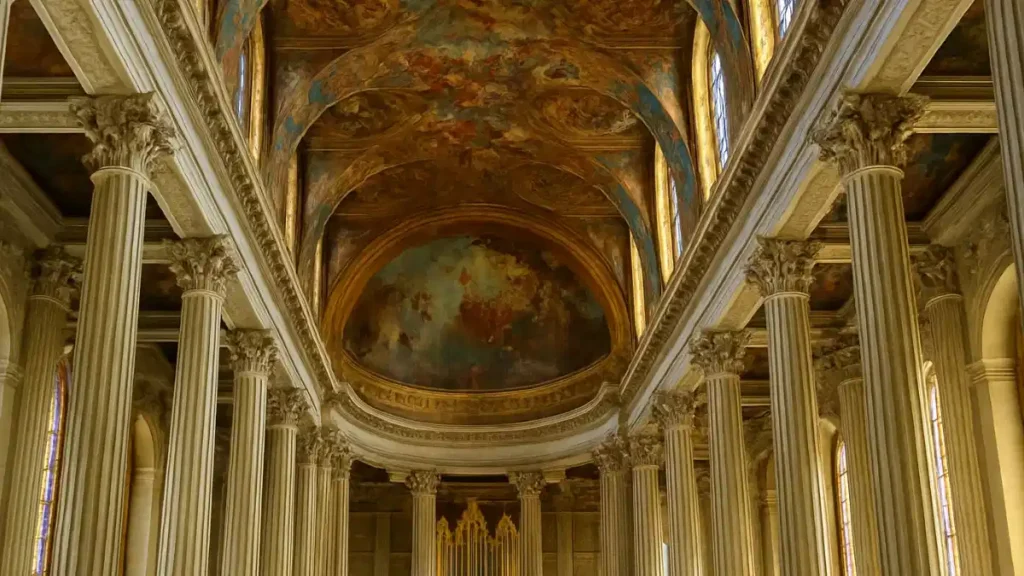
If the heavens open, sprint immediately for the internal galleries. The staggering beauty of the classical stone columns and the masterful frescoes painted across the vaulted ceilings guarantee you a glorious day, entirely sheltered from the rain and the heaviest crowds.
Do not waste a single second cursing the grey clouds. Yes, the rain transforms the Gardens of Versailles into a much wetter landscape, but it miraculously empties out the interior of the palace and the secondary estates.
Did it rain? Pivot immediately to the internal galleries that the rushed tourists completely ignore.
Head directly, without stopping, to the Galerie des Batailles. It is a colossal, cavernous room that is frequently deserted, lined from the polished floor to the ceiling with epic, blood-stirring historical paintings. The ancient wooden floorboards creak softly and satisfyingly under your shoes. It is warm, monumental, and incredibly silent. Hearing the heavy rain lashing against the massive glass windows outside makes the entire experience feel deeply cinematic.
What if you miss the yellow line train?
Take a deep breath. Delays happen. They are an integral part of the chaotic urban adventure.
The alternative route is both brilliant and totally counter-intuitive. Jump on Line 9 of the Parisian Metro and ride it all the way to the final stop: Pont de Sèvres. Walk outside, and board the standard number 171 urban bus.
This is exactly how this place fully won my heart.
The secret advantage of the 171 bus? It heavily bypasses the standard tourist snarls, winds its way through the town, and drops you off literally on the King’s front doorstep.
You step off the bus precisely in front of the colossal golden gates, staring directly up at the imposing equestrian statue of Louis XIV. The visual impact of arriving right at street level, facing the palace head-on, is absurdly superior to the long, tiring trudge from the railway station.
The Secret Refuge: Marie Antoinette’s Estate
If the main palace stands as an intimidating, stone-cold testament to political megalomania and power, the Trianon Estate is the exact opposite. It is a sanctuary for the soul. A desperate search for intimacy and peace.
The overwhelming majority of tourists—feet throbbing after surviving the Hall of Mirrors—take one look at the vast, endless green expanse of the gardens, sigh with heavy exhaustion, and simply go home.
A brutal, unforgivable error.
The absolute peak of your cultural immersion, the true, hidden treasure of this entire journey, lies a delightful, 30-minute walk deep into the forest. (Alternatively, if you prefer to save your legs, renting one of those electric golf buggies for 40 euros an hour and tearing down the ancient, tree-lined avenues with the wind roaring in your ears and laughing out loud is a joy you cannot put a price on).
The Grand Trianon, with its pale pink marble soaking up the afternoon sun, is undeniably beautiful. But the place that will permanently steal your heart is the Petit Trianon, and more specifically, the Hameau de la Reine (The Queen’s Hamlet).
Queen Marie Antoinette, physically and mentally suffocated by the unbearable, rigid etiquette of the French court, ordered an entire, functioning theatrical farm to be built exclusively for her.
It features a rustic, timber watermill turning slowly in the breeze. Lush, sprawling vegetable patches. Fluffy sheep wandering freely across the grass. And incredibly quaint, peasant-style cottages that secretly housed deeply luxurious, silk-lined interiors.
The very smell of the air changes drastically the moment you arrive here.
The heavy odor of polished beeswax and old wood from the grand palace vanishes. It is instantly replaced by a gorgeous, fresh perfume of damp green moss, wild purple lavender, and the faint, comforting scent of woodsmoke drifting from the small rustic chimneys.
It is incredibly peaceful.
It feels like a village plucked straight out of a forgotten fairy tale, where the clock simply stopped ticking. You sit down on a rough wooden bench beneath a massive, centuries-old oak tree, close your eyes, and suddenly, you understand perfectly why she was so desperate to escape to this spot.
To properly cement this entire landscape in your mind before you even start packing your suitcases, I strongly recommend a highly curated, visual masterclass.
Sit down on your sofa tonight and watch this.
Rick Steves takes a fantastic, globally accessible approach. His documentary brilliantly dissects the colossal scale of the painted ceilings and shows you exactly the staggering level of minute detail waiting for you.
Watching this immediately aligns your expectations. It takes that lovely, bubbling pre-trip anxiety and rockets it right through the roof.
Furthermore, grasping the immense effort required to preserve this heritage gives you an entirely new layer of respect. The entire complex is fiercely protected as a UNESCO World Heritage site. This vital status guarantees that those ancient oak trees and those dazzling Venetian mirrors will remain exactly where they are, ready to steal the breath from generations to come.
Your Royal Day
Walking through the vastness of Versailles is, without a single doubt, a harsh punishment for the soles of your shoes. Your feet will be screaming for a well-deserved rest by the end of the day, and your phone battery will likely be entirely dead from the sheer volume of photographs you will take.
But you will step back onto that train to Paris with a completely purified soul and a massive, unbeatable smile plastered across your face.
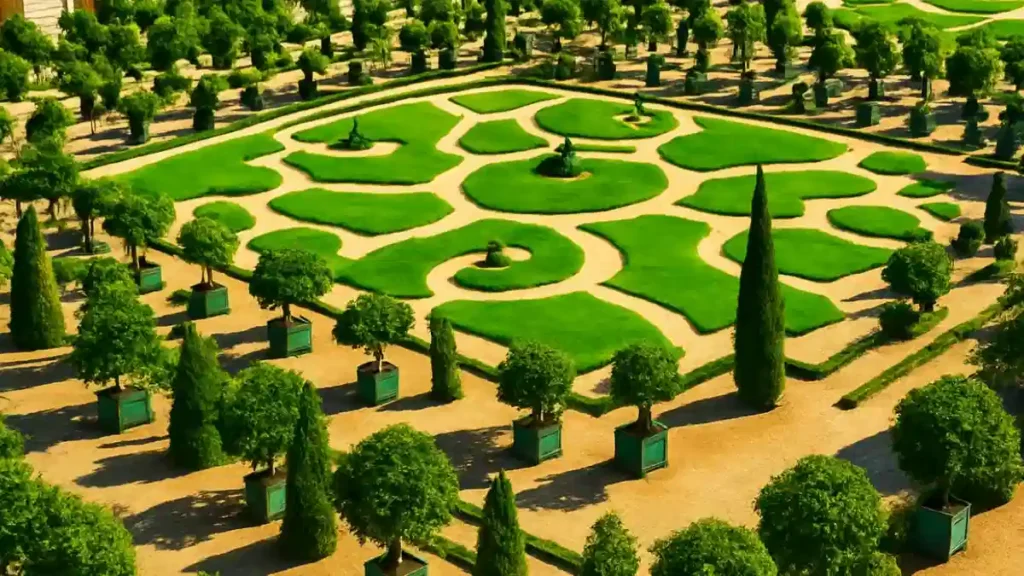
The absolute genius of the artists, architects, and gardeners who forcefully tamed wild nature and constructed the impossible is permanently stamped onto every single gold-leafed door handle. It is in every geometrically flawless flowerbed. It is in every fountain that dances perfectly in time with the wind.
And the ultimate piece of advice I can give you to finish off this itinerary?
When you are finally leaving, as the late afternoon shadows begin to stretch, do not rush to the exit. Stop. Buy a piping hot, wildly indulgent Nutella crepe from the small wooden stalls near the canal. Sit down facing the rear facade of the colossal palace right as the sun begins to set.
Watch as the glass catches the dying light, reflecting a vibrant, burning orange across hundreds of windows simultaneously.
Breathe in deeply. Feel the heavy, rich texture of history in the air. The world is a spectacularly vast, unbelievably beautiful place, and France has just handed you the absolute best it has to offer.
The tickets are right there. History is alive and fiercely waiting for you. What on earth are you waiting for to pack those bags?
1 thought on “The Awakening on the Yellow Train and the Shock of Gold”