
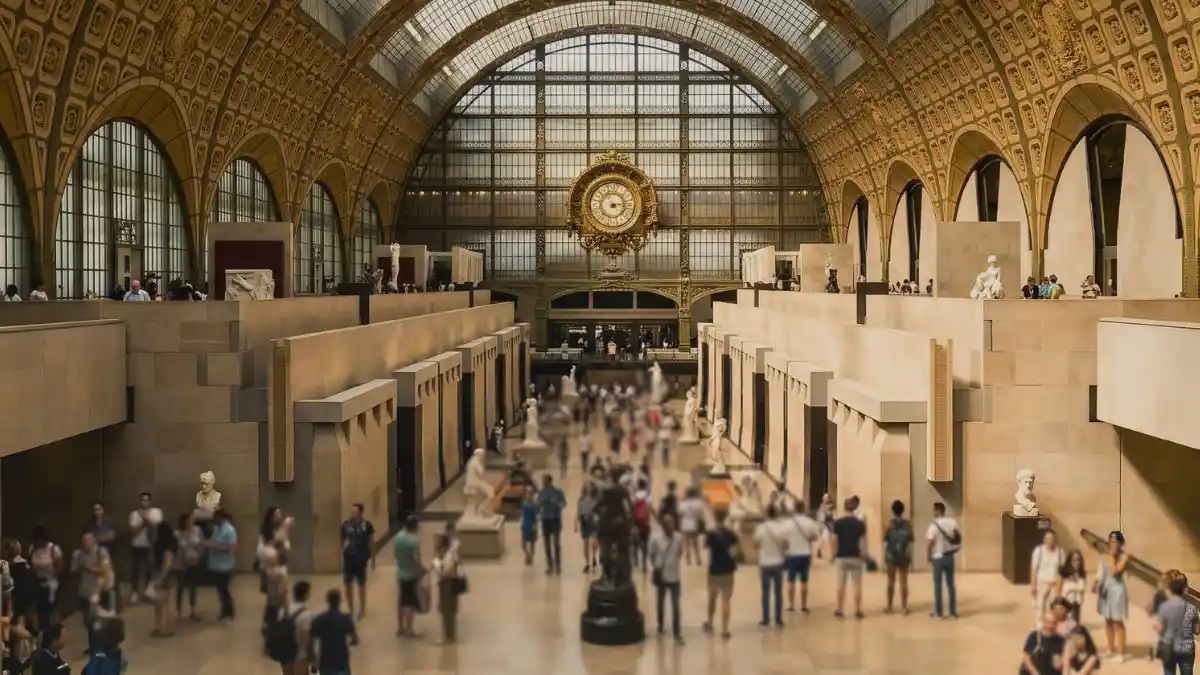
If you’re planning a trip to Paris and fancy seeing world-class art without the monumental exhaustion the Louvre sometimes induces, I have excellent news. The Musée d’Orsay is exactly what you’re looking for. It houses the largest collection of Impressionist and Post-Impressionist art in the world. And the best bit? It’s located inside one of the most stunning buildings in all of France.
The truth is, the d’Orsay tends to be a firm favourite amongst many travellers. While other museums demand days to be properly explored, here you can have a profound, moving, and comprehensive experience in just a few hours. You’ll wander through corridors bathed in natural light, surrounded by the works of Van Gogh, Monet, and Renoir.
In this Musée d’Orsay guide, I’ll show you exactly how to make the most of every second inside. We’ll dodge the crowds, uncover the masterpieces you simply cannot miss, and understand precisely why this place is so magical. Get your notepad ready, and let’s embark on this journey together.
Why the Musée d’Orsay is a Must-Do in Paris
Many people arrive in Paris with an itinerary focused solely on the Eiffel Tower and the Louvre. But leaving the d’Orsay off that list is a mistake you really don’t want to make. What most people don’t realise is that the building itself is a breathtaking work of art, even before you’ve laid eyes on a single canvas.
The Architecture That Steals the Show
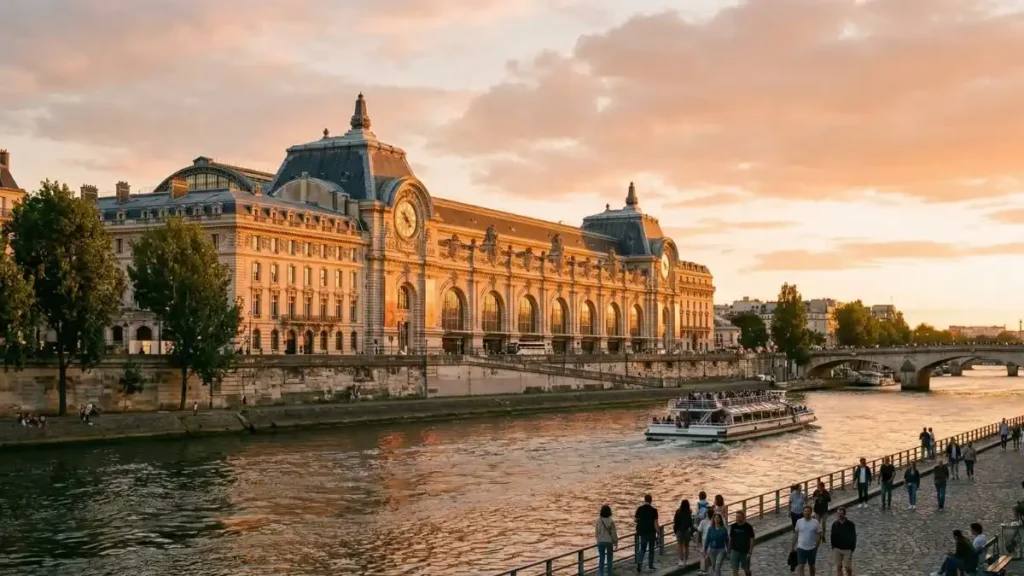
The Musée d’Orsay wasn’t actually built to be a museum. It began life as a rather luxurious railway station, the Gare d’Orsay, unveiled for the 1900 Universal Exhibition. The aim was to welcome visitors arriving in Paris with the utmost elegance.
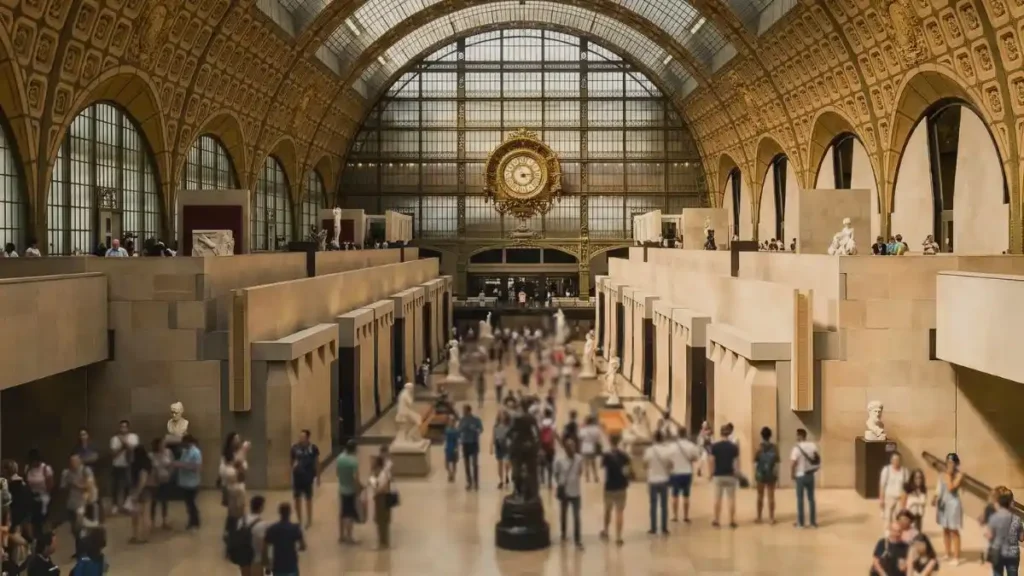
The metal and glass structure, typical of the era’s industrial architecture, was cleverly disguised with sculpted stone to blend in with the elegant surroundings of the River Seine. Today, when you step into the main hall, that incredible natural light bathing the sculptures filters through the very same glass roof that once sheltered the departure platforms.
Have you ever imagined walking through a place where the rumble of vintage trains has been replaced by the hushed silence of people admiring priceless masterpieces? That’s exactly how it feels.
Over time, modern trains simply grew too large for the station’s short platforms. The building was nearly demolished in the 1970s to make way for a modern hotel. Thankfully, public outcry saved the structure, and it was reborn as a museum in 1986.
What Most People Don’t Know About Visiting
When we walk into a massive museum, our natural instinct is to start exploring the ground floor, right? At the d’Orsay, following that logic might mean you miss the best part of the party while you still have some energy. The golden rule here is to do it in reverse.
The Secret of the Fifth Floor
The top tip for anyone visiting the d’Orsay is this: as soon as you get in and clear security, find the escalators and head straight to the fifth floor. It’s right up there at the top that you’ll find the museum’s greatest treasure: the Impressionist gallery.
If you leave the fifth floor until the end, you’ll arrive exhausted, with aching feet, fighting for breathing room amongst the crowds who arrived after you. By heading straight up, you get the chance to view some of the world’s most famous paintings in relative peace.
- Perfect light: The fifth-floor galleries benefit from marvellous natural light that truly enhances the colours of the paintings.
- The masterstroke: It’s also on this floor that you’ll find the famous transparent clock, where you can snap one of the most classic photos in Paris, with the Sacré-Cœur basilica peeking through in the background.
- Crowd control: The majority of tourists get bogged down on the ground floor taking photos of the sculptures. Sail right past them and secure your peace and quiet upstairs.
The Artworks You Need to See Up Close
The d’Orsay’s collection focuses on the period between 1848 and 1914. It’s a fascinating window in time, a period when art underwent an absolute revolution. Painters escaped their dark studios and went to paint en plein air, attempting to capture the sunlight, the wind in the trees, and modern life springing up in the cities.
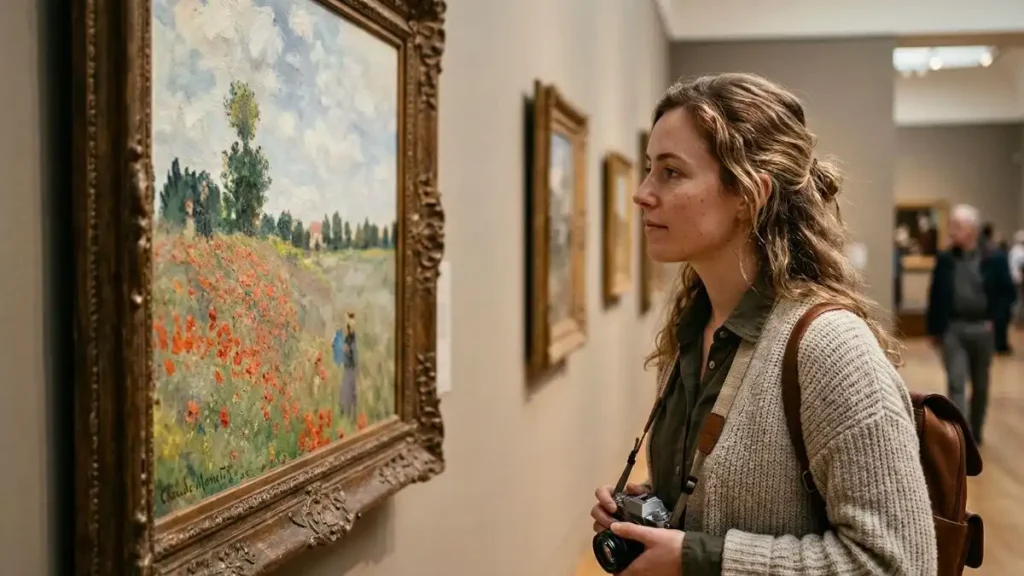
The delicacy of Monet’s colours invites d’Orsay visitors to take a contemplative pause amidst the hustle and bustle of Paris.
Monet, Manet, and the Masters of Impressionism
On the fifth floor, you’ll come face to face with the works of Claude Monet. He is widely considered the father of Impressionism. Keep an eye out for “Woman with a Parasol”, which is absurdly delicate, as well as his series of paintings of Rouen Cathedral, where he painted the exact same church at different times of the day simply to capture how the light shifted the colour of the stone.
Don’t mix up Monet with Manet! Édouard Manet is also there, and he was one of the first to challenge the traditional rules of painting. His piece “Luncheon on the Grass” (Le Déjeuner sur l’herbe) caused a monumental scandal at the time because it depicted a nude woman enjoying a picnic alongside fully clothed men in modern attire. Today, it’s one of the museum’s centrepieces.
Renoir and the Dance at Le Moulin de la Galette
Sticking with the Impressionist squad, you absolutely must pause in front of “Dance at Le Moulin de la Galette” by Pierre-Auguste Renoir. It’s one of those canvases that radiates pure joy.
You can almost hear the music playing and the glasses clinking. Renoir was a master at painting sunlight filtering through the leaves and dappling the clothes of his subjects. It’s a true celebration of bohemian Parisian life at the end of the 19th century.
Van Gogh and Post-Impressionism
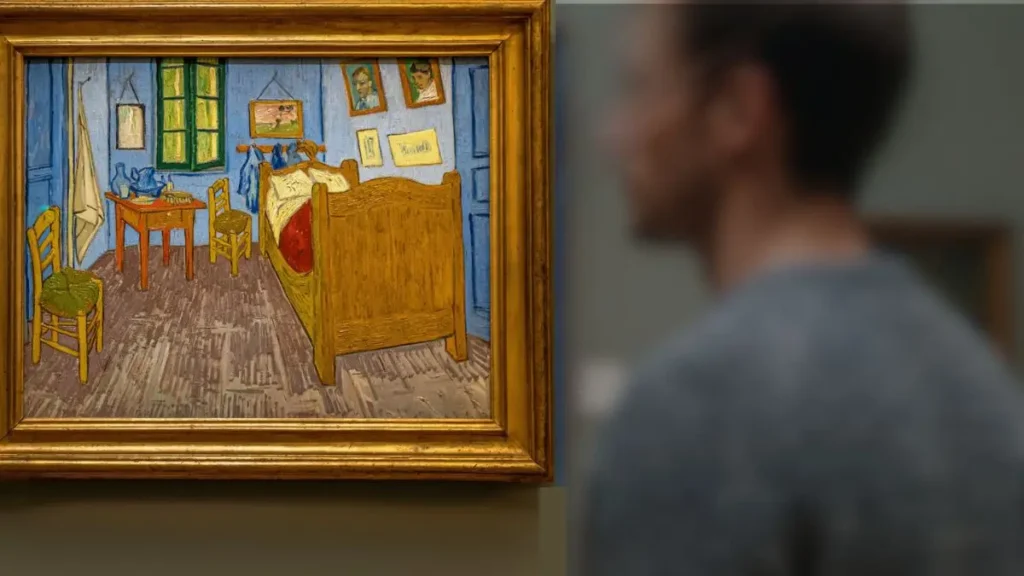
After marvelling at the fifth floor, you can head down to the galleries on the middle levels. That’s where you’ll encounter the intense, dramatic genius of Vincent van Gogh.
A quick warning: the Van Gogh room tends to be one of the busiest in the museum, so you’ll need a bit of patience to get a close look at the artworks. It is worth every single second.
His “Starry Night Over the Rhône” is genuinely breathtaking. The thick brushstrokes and vibrant colours depict the city of Arles at night, with stars glowing in the sky and the reflections of gas lamps shimmering on the river’s surface. Make sure you also catch the famous “Bedroom in Arles” and one of his best-known self-portraits.
Practical Tips for a Stress-Free Visit
Nobody likes wasting hours in endless queues, especially on a European getaway where every minute counts. To ensure your Musée d’Orsay guide experience is smooth and enjoyable, a bit of strategic planning is required.
Here at Turismo Sem Fronteiras, we always stress that the difference between an exhausting slog and a dream holiday lies entirely in the little logistical details.
How to Buy Tickets and Skip the Queues
Buying your ticket on the day at the museum box office is a rookie error. The queues can last for hours, come rain or shine.
The smart move is to buy your ticket in advance online. The official museum website offers timed-entry tickets. By turning up with your ticket on your phone, you get to use a much faster queue, strictly for those who have already secured their entry.
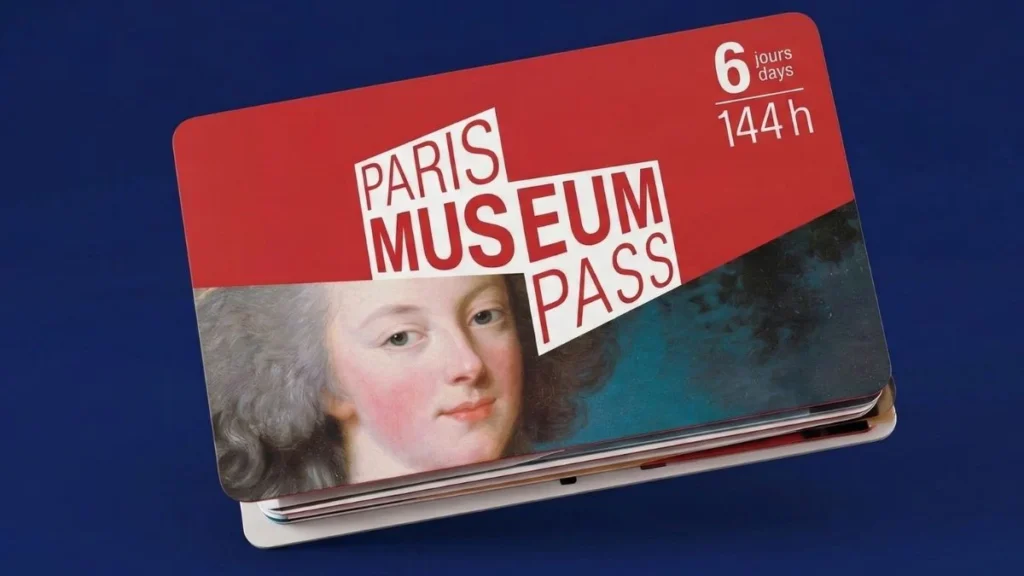
If you’re planning to visit a lot of museums, it is well worth investing in the Paris Museum Pass. It grants access to dozens of attractions, including the d’Orsay and the Louvre. If you want to know more about making the most of your days in the French capital, take a look at the official Paris Museum Pass website.
When is the Best Time to Visit?
As a general rule, the first few hours of the morning (as soon as the museum opens, around 9:30 am) tend to be the quietest. However, the real secret that few guides mention is the evening visit.
On Thursdays, the Musée d’Orsay stays open late, closing at 9:45 pm. The atmosphere in the late afternoon is fantastic. Most tour groups and school trips have packed up and gone, the museum settles into a quiet hum, and the evening lighting adds an extra layer of charm to the building. It’s the perfect setting for a romantic stroll or a more profound appreciation of the art.
Where to Eat Near (or Inside) the Museum
Trekking through art galleries makes you incredibly hungry, that’s just a fact. Fortunately, you don’t have to wander far for a decent meal. The d’Orsay itself boasts some wonderful dining options that really round off the whole experience.
The Café Campana, located just behind the massive clock on the fifth floor, is ideal for an espresso, a French pastry, or a quick bite. The café’s design was inspired by the Art Nouveau style, and the view from up there is quite spectacular.
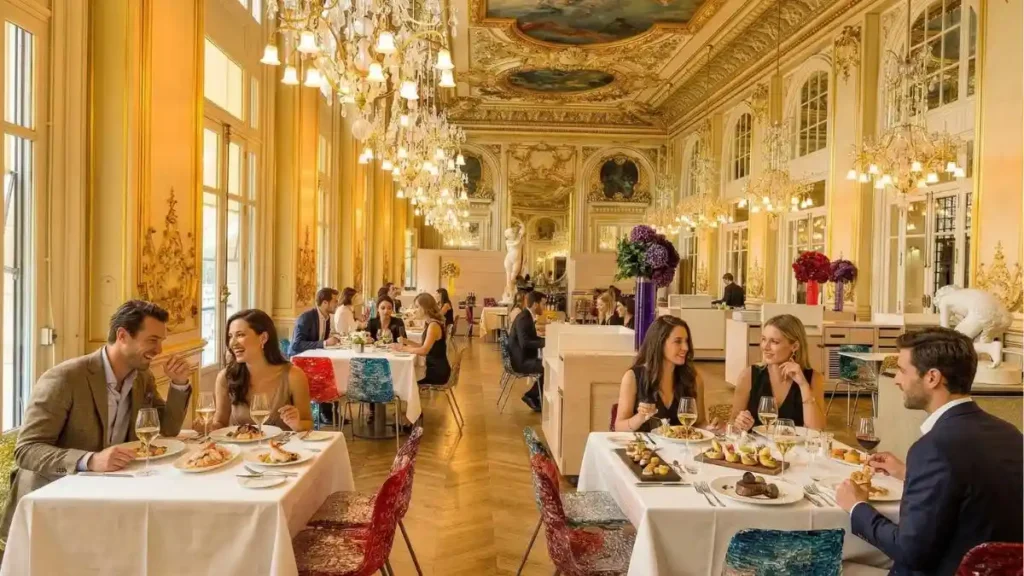
Bridging the classic and the modern, the museum’s restaurant offers a sophisticated gastronomic pause between galleries.
If you fancy something a bit more upscale, the Musée d’Orsay Restaurant on the first floor is an event in itself. The original dining room of the former railway station’s hotel has been immaculately preserved. You’ll dine beneath gleaming crystal chandeliers, surrounded by frescoes and gilded ceilings. It’s an experience fit for Parisian royalty.
Pairing the d’Orsay with Other Outings
The museum’s location is incredibly privileged. It sits on the left bank of the River Seine (the famous Rive Gauche), in the Saint-Germain-des-Prés neighbourhood, which is arguably one of the most charming areas in the entire city.
Stepping out of the museum, you can wander through the district’s narrow streets, popping into little bistros and antiquarian bookshops. If you still have the stamina, the Tuileries Garden and the Louvre Museum are directly across the river; you just need to pop over the bridge.
For your cultural journey in the City of Light to be truly complete, it’s vital to remember that Paris doesn’t begin and end at the world’s most famous glass pyramid. The d’Orsay is undoubtedly the crown jewel for lovers of Impressionism, but the French capital hides other magnificent spaces offering a far more intimate experience, minus the mile-long queues. If you want to step off the beaten path and discover where art truly breathes without the rush, it is well worth checking out our guide to the best museums in Paris besides the Louvre, where we explore little corners that many tourists overlook, yet which safeguard priceless treasures.
The Takeaway: The Golden Secret to the d’Orsay
Visiting the Musée d’Orsay means diving headfirst into one of the most creative eras in human history. The combination of iron-and-glass architecture with the vibrant colours of revolutionary painters creates an atmosphere you simply won’t find anywhere else on the planet.
If you take away just one tip from this entire guide, let it be this: buy your ticket in advance and kick off your visit on the fifth floor. That single move will completely transform your outing, ensuring you see the absolute best of Impressionism with a fresh mind and rested feet.
The d’Orsay is proof that art doesn’t have to be intimidating. It can be light, accessible, and incredibly moving.
What about you? Do you already have a specific artwork you’re dreaming of seeing up close at the d’Orsay, or do you prefer to be surprised as you wander the corridors? Drop a comment down below; I’d absolutely love to hear what you’re looking forward to on this brilliant trip!
Author Alex Ferreira da Silva
If you enjoyed this, you’ll love:

4 thoughts on “Explore the Musée d’Orsay: The Complete Guide to Your Visit”