
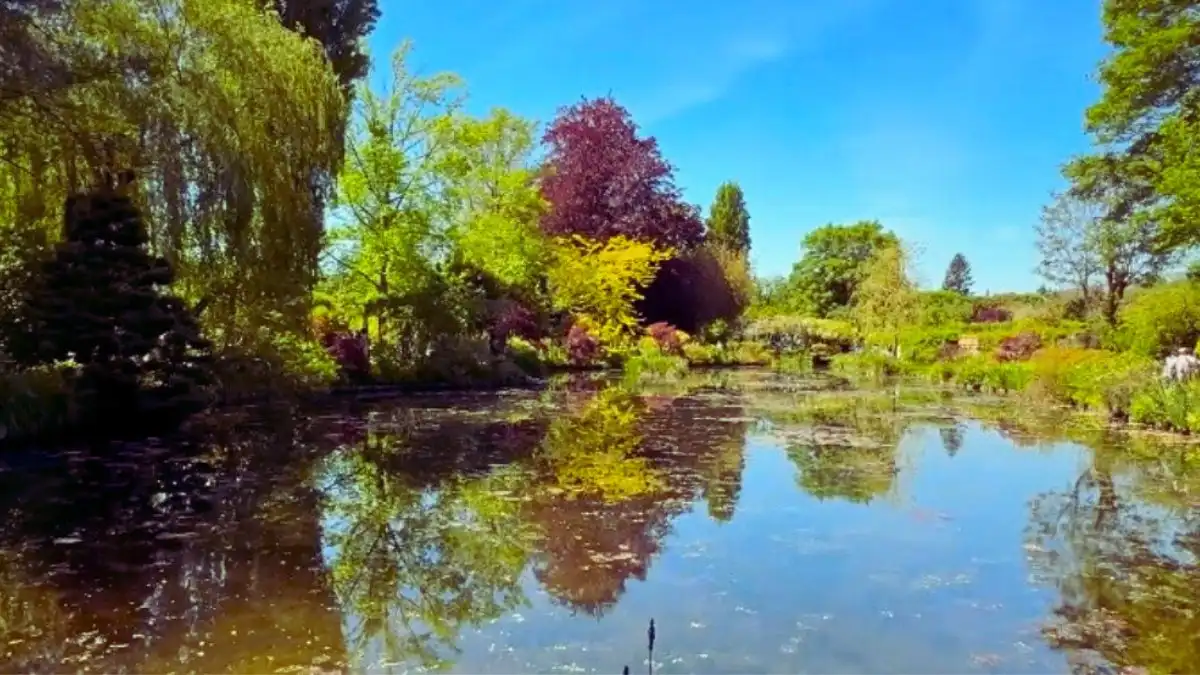
You might think you know what 2026 means for the global art circuit, but the reality on the ground is far more intoxicating. Exactly a century has slipped through our collective fingers since the world bid a final, quiet farewell to Claude Monet. The undisputed father of Impressionism breathed his last on the 5th of December 1926. If you have spent idle Sunday afternoons dreaming of a French escapade, let me hand you a cast-iron guarantee. This is the precise, unmissable moment to drag your heaviest suitcase down from the loft. The entire nation is exhaling pure, concentrated art right now. We are going to hand you the exact blueprint to experience this magic without getting trapped in those dreadful, soulless tourist queues.
The air simply smells different when you know exactly where to look. In this guide, our singular objective is to pass you the skeleton key to unlocking the raw, unfiltered magic of Paris and Normandy. You will learn the dark arts of dodging the swarming hordes of summer travellers. You will discover damp cobblestone corners where the local food is so outrageously good it borders on the illegal. Above all, you will grasp the intricate logistical jigsaw required to step squarely inside a living, breathing canvas.
Forget the stuffy, elitist nonsense that insists art belongs only behind velvet ropes or in the minds of bespectacled academics. Impressionism is the sharp bite of the morning sun. It is the frantic, desperate attempt to cage a fleeting second before it vanishes. It is raw, unadulterated emotion splashed onto cloth. That precise rush of feeling? You are going to feel it slam physically into your chest when the fierce Atlantic wind whips across your face on the high cliffs of Normandy.
What Makes the Monet Centenary So Unbelievably Special?
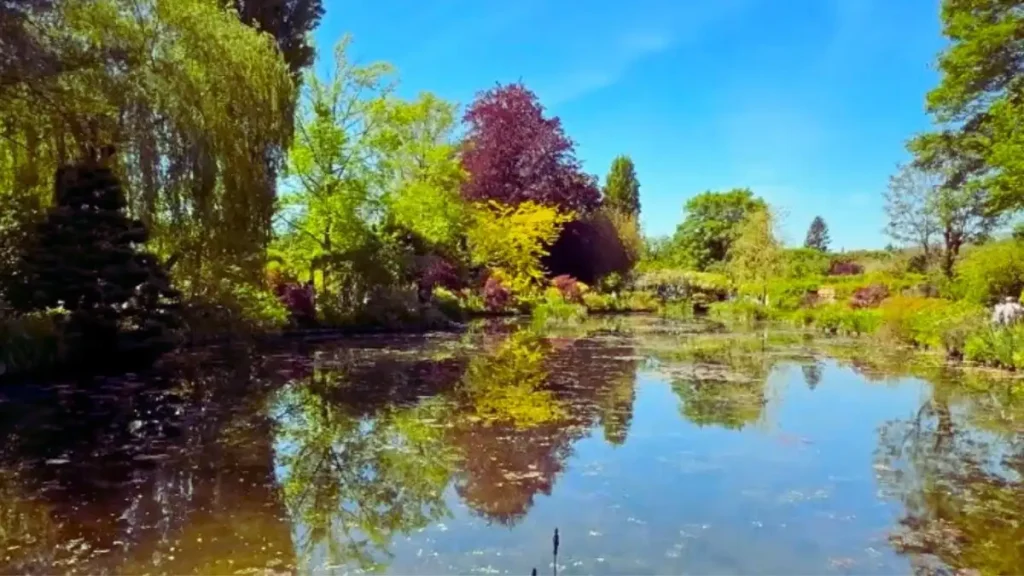
Have you ever wondered what happens when reality bends and shifts into a wash of pastel light before your very eyes? That is exactly the physical sensation of navigating through these specific French landscapes.
Monet was not a polite, tea-drinking gentleman painting pretty pictures for the bourgeoisie; he was an absolute radical who horrified the establishment. Back in the nineteenth century, “proper” artists locked themselves in dim, airless studios, churning out muddy, brown landscapes of boring mythological scenes. Monet kicked the heavy oak doors down. He grabbed his portable easel, marched out into the blinding, unfiltered daylight, and refused to look back. He wanted the ice of the morning frost. He craved the violent wind tearing at the leaves. He was obsessed with the thick, acrid smoke belching from modern steam trains barrelling through iron stations.
Raising a glass to his centenary in 2026 is actually a massive celebration of ultimate defiance. France has not held back a single euro. They have quietly assembled dozens of hyper-exclusive exhibitions, meticulously replanted historic gardens down to the last seedling, and scheduled events that your grandchildren will never have the chance to see. We are talking about a golden, once-in-a-lifetime window to stand inches away from masterpieces that usually rot in the pitch darkness of Swiss bank vaults or private billionaire dining rooms.
There is a secondary, almost secret benefit to this pilgrimage. Tracing the master’s frantic footsteps gives you the ultimate excuse to traverse one of the most staggeringly beautiful corridors on earth. The odyssey kicks off amid the sophisticated roar and diesel fumes of Paris. It bleeds slowly into the silent, dramatic coastlines of Normandy, where the sea salt clings to your skin. It strikes a flawless, mathematical balance for any soul with a passport—whether you sleep in a damp youth hostel or a silk-lined boutique hotel overlooking the Seine.
The Impressionist Itinerary: Igniting the Journey in Paris
Something shifts in the atmosphere the moment your boots hit the Parisian cobblestones. You cannot possibly decode the mind of Monet without surrendering to the French capital first. Paris was the chaotic, brutal arena where Impressionism was born, suffered horrific abuse from conservative newspaper critics, and eventually conquered the globe. Luckily for those of us arriving a century later, the city currently guards the three most vital museums required to decipher this visual revolution.
Here is the non-negotiable golden rule: merciless forward planning. Because 2026 is the official centenary year, these specific museums will be packed tighter than a tin of sardines. You must secure your digital tickets months before your flight leaves the tarmac. Do not be that tragic figure weeping outside the wrought-iron gates, having wasted three hours of your life in a queue that snakes entirely around the block.
Musée d’Orsay: The Majestic Cradle of the Movement
They rarely tell you that the most magnificent museum in Paris is absolutely not the Louvre. The Musée d’Orsay is, frankly, an architectural triumph that defies logic. It sits inside a cavernous, resurrected railway station anchored right on the edge of the muddy River Seine. A colossal, golden clock dominates the main hall, ticking loudly above the echoing footsteps of the crowds. The sheer scale and iron-wrought beauty of the space will punch the breath from your lungs long before you lay eyes on a single lick of paint.
We have a comprehensive guide to the Musée d’Orsay, check out all the insider tips…
Notice how the dust dances in the air. The natural sunlight pouring through the vast glass roof of this former station makes the thick oil paints scream with life. If you want the ultimate, uncrowded encounter, you have two choices. Arrive before the heavy doors even unlock, shivering in the dawn air with a paper cup of coffee. Alternatively, slide in during the twilight hours just before the security guards start whistling to clear the halls. Arriving at noon is a rookie mistake; the body heat and the crowds are utterly suffocating.
Musée de l’Orangerie: The Immersion into the Water Lilies
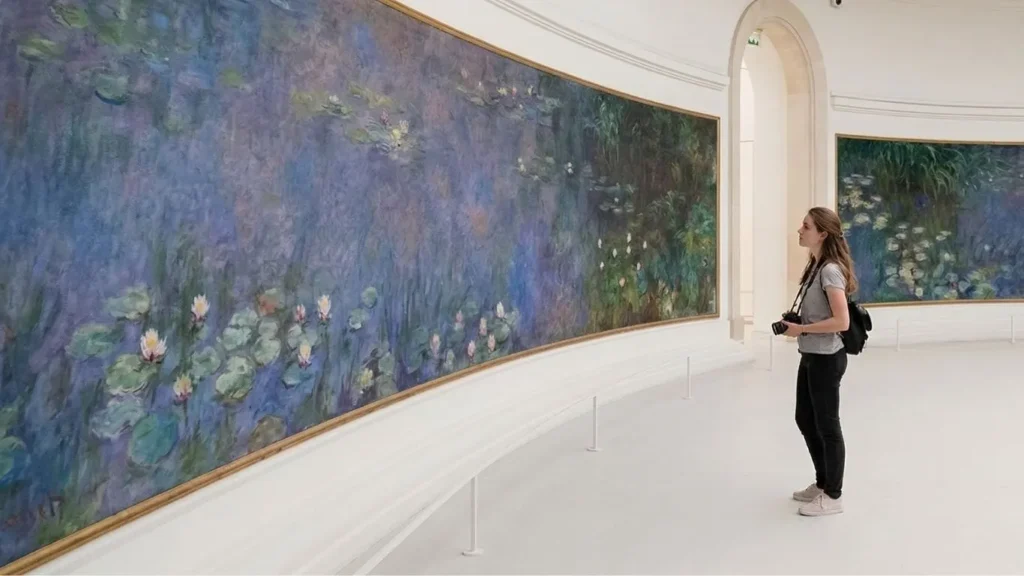
Imagine standing in a room that bends around you, wrapped entirely in water. Those colossal, curved canvases of water lilies you have seen reproduced on terrible coffee mugs? The originals live in the Musée de l’Orangerie, tucked away in a quiet, leafy corner of the legendary Tuileries Garden. Monet actually gifted these gargantuan masterpieces to the French state. They were a desperate, beautiful plea for peace right after the industrial slaughter of the First World War finally ground to a halt.
He was a notorious control freak. Monet personally dictated the design of these brilliant, oval-shaped rooms. He wanted every visitor to feel physically submerged in his beloved pond at Giverny. It is a profoundly immersive, almost spiritual shock to the nervous system. You drop onto the simple wooden bench in the dead centre of the room. You sit in absolute silence. You let the bruised purples and pale pinks slowly swallow you whole.
You can comfortably absorb the entire collection in under two hours. This makes it the absolute perfect, bite-sized cultural appetizer before you slip into a tiny, hidden bistro near the Louvre for a heavy, wine-soaked lunch of steak frites.
Musée Marmottan Monet: The City’s Best Kept Secret
Hardly anyone ventures out this far west. The Marmottan hides in plain sight within the exceptionally posh, whisper-quiet 16th arrondissement. It is miles away from the exhausting, horn-honking tourist circus of the centre. This former hunting lodge houses the largest personal collection of Monet’s work on the planet, all quietly handed over by his own son, Michel, who miraculously survived into the 1960s.
The ancient floorboards creak loudly beneath your feet as you walk. Inside this deeply intimate, hushed mansion hangs the exact painting that started the riot: Impression, Sunrise. It depicts a hazy, fog-choked harbour in industrial France, painted with aggressive, messy strokes. Staring at this specific, rough piece of canvas is like staring at the birth certificate of all modern art. It is a spine-tingling moment that makes the hairs on your arms stand up.
Do you want to survive a European trip without burning out by day three? Adopt the ruthless code of the seasoned wanderer.
- Slay only one major museum per day. Never two. Your brain will turn to mush.
- Tactical retreats for a sharp, bitter espresso and a shatteringly crisp, butter-drenched croissant are not optional. They are mandatory for your survival.
- Leave massive, empty gaps in your schedule to wander aimlessly down twisting stone alleys until you are hopelessly, wonderfully lost.
Hitting the Road: The Intoxicating Magic of Rural Normandy
There is a profound reason the compass suddenly points north. Normandy sits right next door to Paris, boasting an accessibility that feels almost like cheating. It is a region dripping in severe, rustic charm, smelling of wet earth and apples. When you step off the train, you immediately understand, in your very bones, why these painters lost their minds trying to capture the savage northern light.
You can glide effortlessly into this world using the impossibly efficient French railway. The trains thunder out of the iconic Gare Saint-Lazare—a station Monet himself painted repeatedly, choked in steam, grease, and grit.
The Master Logistics of Reaching Giverny
The trick here is not to overcomplicate the transit. Using public transport, you simply grab a ticket on the SNCF Connect website heading straight for the provincial town of Vernon. The fast trains slice through the lush, rolling countryside in roughly 50 minutes. From Vernon’s sleepy station, the holy grail of Giverny is a mere 7 kilometres away. Step out of the station doors, and special shuttle buses are idling, waiting to ferry you directly to the garden gates.
If the sky is blue and the sun is warm on your neck, I violently urge you to ignore the bus. Rent a battered bicycle from the tiny shops loitering near the station exit. The ride to Giverny is gloriously flat. It boasts a dedicated, ultra-safe cycle path that hugs the lazy curves of the River Seine. You will hear the water lapping against the banks and the birds calling in the heavy trees. It is sheer perfection.
If you need visual proof of just how staggering this itinerary really is, you must hit play on this brilliant walkthrough video. It breaks down the flawless day trip from the Parisian concrete to Monet’s floral paradise, showing you the exact sights waiting for you:
Giverny: The Technicolour House and the Master’s Garden
Prepare to have your senses utterly overloaded. Giverny is the undisputed crown jewel of this entire expedition. This tiny, unassuming village is where Monet anchored himself for over 40 years. He obsessed over the dirt here. He literally paid armies of men to divert a natural tributary of the river just so he could build the water garden he would spend the rest of his life painting.
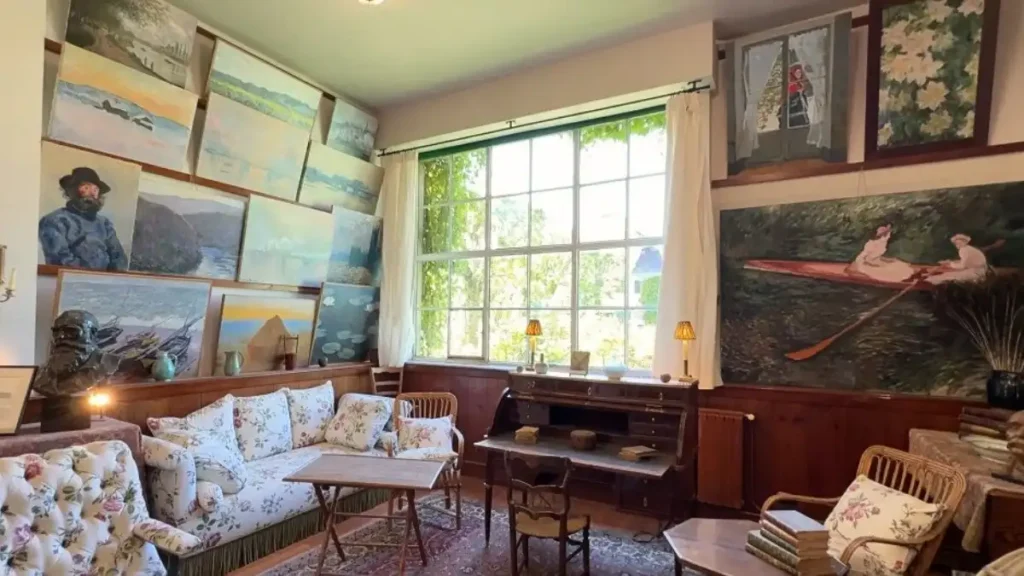
Stepping through the front door of that violently pink house, with its shocking emerald-green shutters, is a time-warping experience. You can smell the old wood, the floor wax, and the copper pots hanging in the yellow kitchen. But the true, heart-stopping theatre waits outside. You are first swallowed by the Clos Normand, a fiercely regimented garden detonating with thousands of flowers in shades you didn’t know existed. The bees are deafening.
Then, the dirt path drops away, and you enter the Water Garden. The air feels immediately cooler here. The humidity rises against your skin. This is where the world-famous Japanese bridge waits for the most intensely desired photograph of your entire trip. It is guarded by giant, drooping weeping willows and choking patches of floating lilies. To survive the crush of tourists and guarantee your official entry, never rely on luck at the gate. Always book months ahead through the Fondation Monet website.
Rouen and the Cathedral of a Thousand Colours
The road pulls us further north, deeper into the heart of the countryside. We hit Rouen, the heavy, historic capital of the region. Most tourists only know it as the grim, cobbled spot where Joan of Arc was burnt at the stake. But the absolute titan of this city is the terrifyingly intricate Notre-Dame Cathedral of Rouen.
Monet developed a deeply unhealthy obsession with this gothic monster. He rented a cramped, freezing room in a shop directly facing the colossal stone facade. Staring through that grimy window pane, shivering in his coat, he painted the exact same building more than 30 times. He was desperate to nail down how the creeping fog and the dying sun completely mutated the colour of the stone from bone-white to bruised purple and fiery orange.
You must drag yourself out of a warm bed at dawn to see the cathedral bathed in that eerie, icy blue light. Then, return as the sun collapses in the evening to watch the carved stone catch fire in brilliant gold. Grab a terrible black coffee in the square, sit on a cold iron chair, and watch the stone breathe.
Étretat and Le Havre: The Brutal Ocean and the White Cliffs
The pilgrimage violently crashes into the sea. Étretat is legendary across the globe for its towering, chalk-white cliffs and massive, natural stone arches that the angry ocean has carved out over millennia. The wind here screams in your ears and whips your hair into your eyes. Hiking to the summit of these terrifying drops requires serious lung capacity and sturdy boots, but the sweeping, dizzying panoramic views of the crashing waves will make you instantly forget your burning calves.
Just down the brutal coastline sits the industrial, concrete port of Le Havre. The smell of diesel, rotting seaweed, and salt hits you instantly. It was right here, watching the dark water chop against the harbour walls at dawn, that Monet slashed out the painting that accidentally named the entire Impressionist movement. Today, the city hides the MuMa (André Malraux Museum of Modern Art), boasting a lethal collection of art staring directly out into the unforgiving sea through massive glass windows.
Tactical Advice for the Flawless Expedition
Timing is the razor’s edge between a trip of a lifetime and a miserable, sweaty slog. The supreme window to strike is undeniably between mid-April and the dying days of June. This is when the northern spring is roaring into life, and Giverny is a riot of chaotic, saturated colour. Alternatively, sliding in during September and October offers the moody, decaying gold of autumn and significantly shorter queues.
Listen carefully: avoid the peak summer months of July and August like the plague unless you actively enjoy suffocation. The hotel prices become frankly offensive, the heat is sticky and unbearable, and the entire continent goes on school holidays simultaneously, clogging every street with screaming children.
Regarding the notorious Norman weather, the golden rule is constant paranoia. You must carry a high-quality, waterproof windbreaker in your daypack at all times. The weather systems barrelling off the English Channel are viciously unpredictable. You will experience blinding, hot sunshine and freezing, sideways drizzle within a thirty-minute window. Do not trust a blue sky in Normandy.
Where to Eat and What You Must Devour
Calorie counters should probably stay at home or survive on tap water. Norman cuisine is unapologetically heavy, deeply comforting, and aggressively reliant on unpasteurised dairy, orchard apples, and whatever they dragged out of the freezing sea that morning. You are legally required to hunt down authentic buckwheat galettes. These are dark, savoury, crispy crepes that arrive at your table heavily pregnant with melted local cheese, thick-cut ham, and a perfectly runny egg staring back at you.
You wash this down with a freezing cold bottle of authentic Norman cider. It is tart, dangerously drinkable, lightly alcoholic, and smells vaguely of damp hay and fermented fruit. And then there is the cheese. The real, raw-milk Camembert. The insider secret is to hit a chaotic local street market on a Sunday morning. Buy a dangerously ripe wheel of cheese that smells aggressively strong, secure a crusty, flour-dusted baguette from a baker with flour on his apron, and execute a rogue picnic by the water.

Tasting Normandy’s soul: a rogue picnic of sharp Cider and raw Camembert is a non-negotiable stop on the Monet trail.
What the Glossy Guidebooks Refuse to Tell You…
The history books have lied to you for decades. There is a deeply ingrained myth that Claude Monet was a serene, grandfatherly figure who perfectly matched the peaceful lilies he painted. The terrifying reality is that he was a raging, ill-tempered perfectionist. He famously slashed and burned dozens of priceless canvases in screaming fits of pure rage simply because a cloud briefly obscured the sun and ruined his light. He would stomp on his own masterpieces in the dirt.
The locals in Giverny absolutely despised him when he first arrived. When he began importing bizarre, wildly expensive aquatic plants from South America and Egypt by train, the local peasant farmers were ready to riot. They were entirely convinced that his exotic, mutant flowers were going to poison their river water and slaughter their cattle. They petitioned the mayor to shut his gardening down.
Even wilder is the biological truth behind his final, most famous masterpieces. Monet was slowly going blind. Severe cataracts literally turned the lenses of his eyeballs opaque. In the brutal final years of his life, the delicate, icy blues and sharp details vanished entirely from his palette. They were replaced by aggressive, muddy, violent reds and sweeping yellows. He was not making an avant-garde stylistic choice; he was frantically painting the actual, physical damage blooming across his own retinas.
The Final Verdict: Do You Commit to the 2026 Journey?
You already know the answer. It is a deafening, uncompromising yes. The colossal Monet Centenary is not just an excuse to stare at old paint hanging on a wall. It is a violent reawakening of how you perceive light, shadow, and the pulse of the physical world around you. This entire route acts as a masterclass in raw sensitivity, brutal history, and staggering local culture.
If you deploy the tactical advice we have laid out to dodge the miserable tourist traps, something magical happens. The tiny, fragile brushstrokes you memorised behind bulletproof glass in Paris will suddenly map perfectly onto the roaring, three-dimensional landscapes of the north. It is the specific breed of travel that permanently rewires your brain. You will never look at a standard, boring sunset the exact same way again.
And you, fellow traveller, which of these impossible landscapes is currently calling your name the loudest? Are you going to lose yourself in the suffocating colour of the water gardens, or do you crave the violent, icy wind tearing across the chalk cliffs of Étretat? Drop your thoughts into the comments below. The crew here at Turismo Sem Fronteiras are obsessed with hearing your plans, and we are ready to help you tear up the map and start packing.
See Also:

1 thought on “Discovering Monet Centenary France: The 2026 Ultimate Guide”